“Artmin”: The Hidden Layer Behind Every Show
Showing work publicly looks simple from the outside – a room, some pieces, some people – but behind it is a whole layer of what I half-jokingly call Artmin. It's the admin of being an artist, and I'm the first to admit it's my least favourite part, even though in many ways it's the most important.
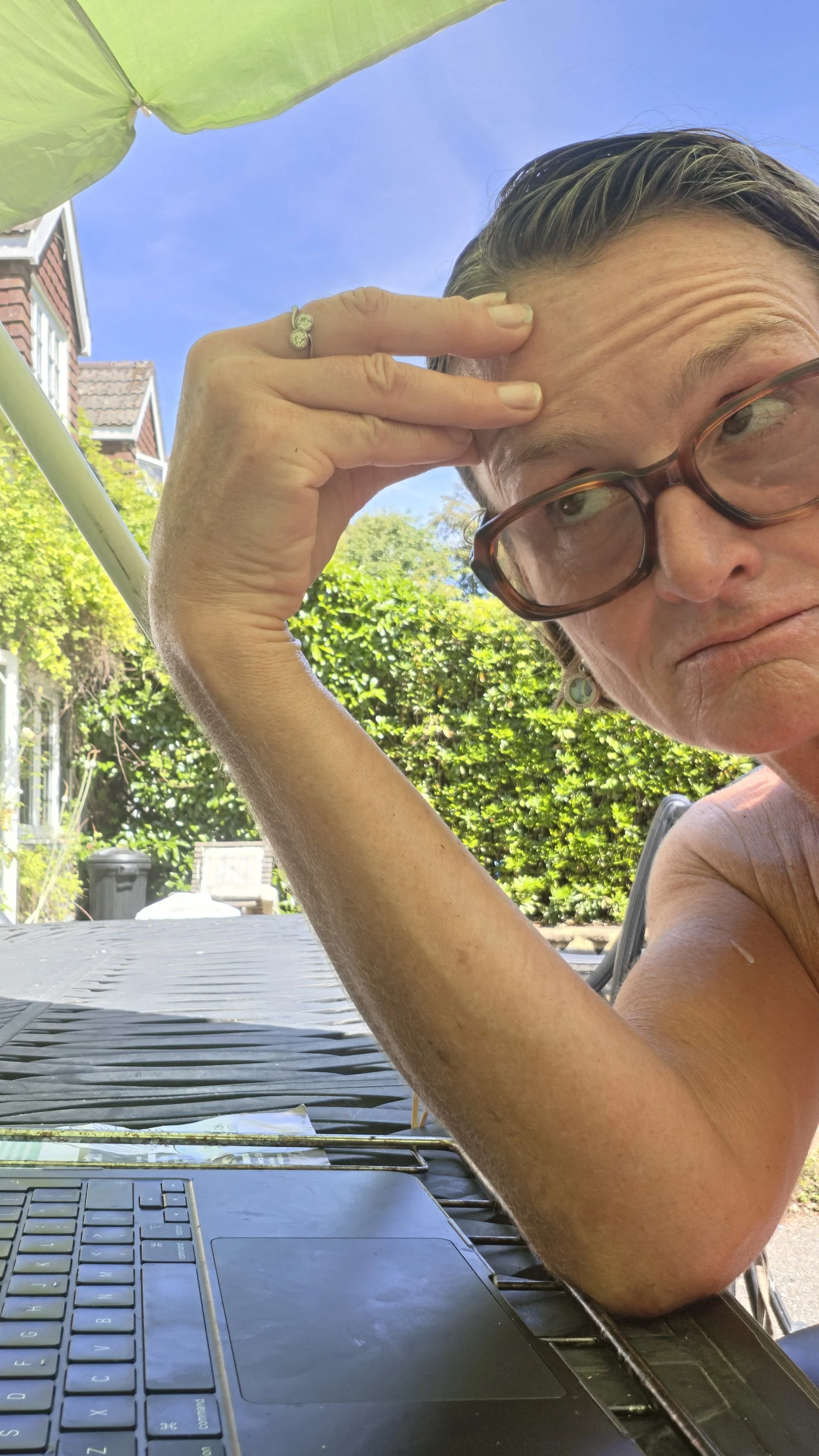
ARTMIN….. my worst area of expertise!
Selection
Selecting which works to show can sometimes be taken out of your hands, especially in curated exhibitions where organisers choose from submitted pieces. In bigger shows like Poetics of Space 2024, where I had over 50 individual works, the selection becomes a kind of quiet choreography. You're trusting your instincts about form, colour, and how pieces speak to each other. It's not just "best" works; it's finding a combination that creates a coherent experience – pacing, contrast, moments of calm, and moments of intensity.
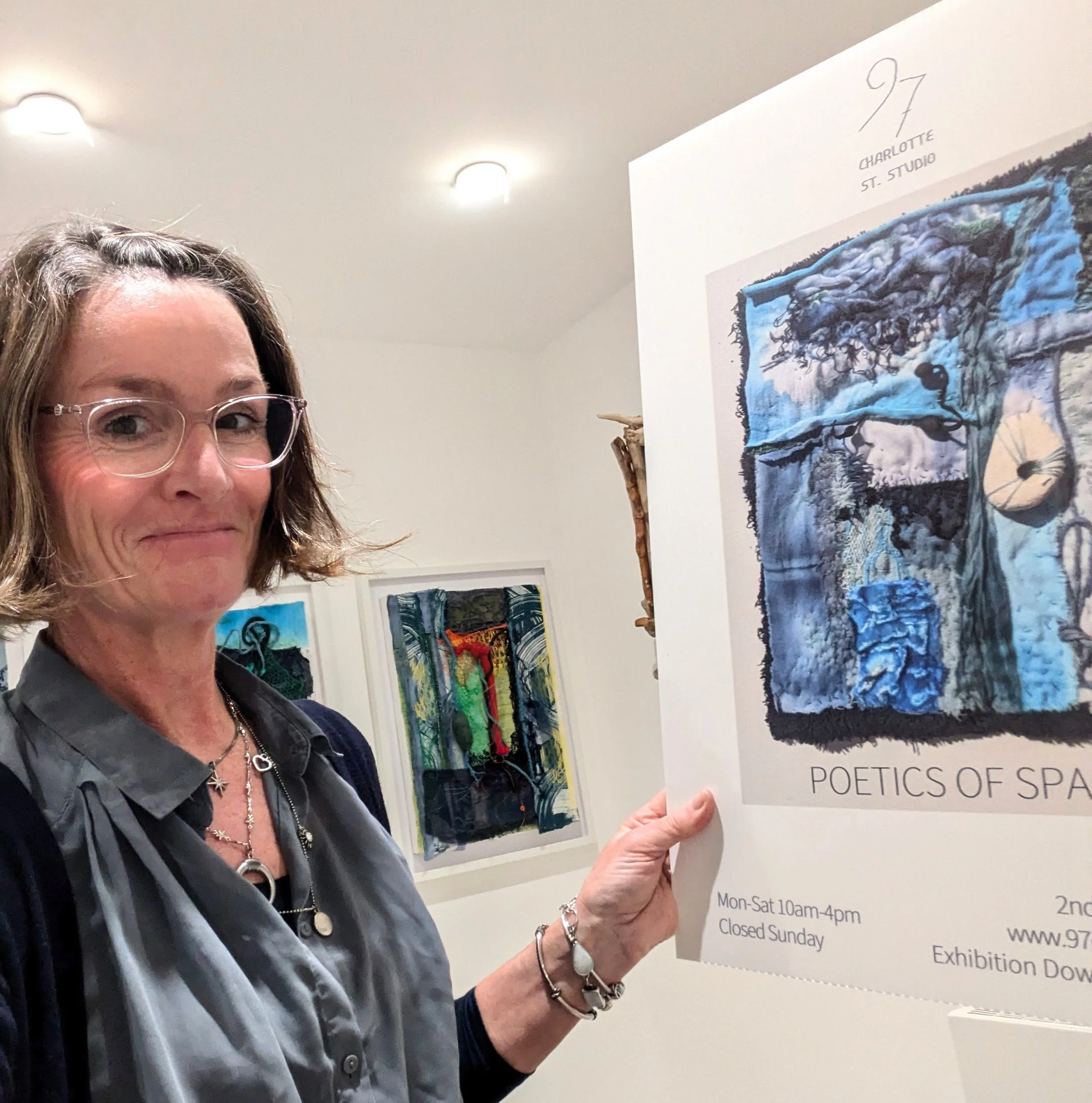
Poetic of Space 2024. Group exhibition. 97 Charlotte Street Studio. London.
Framing and Presentation
Framing and presentation are another layer of Artmin. I find framing particularly difficult, partly because there's a sense of obligation to buy new and to get it "right": the correct size, colour, and style to suit both the work and the potential audience. It really helps to have a clear idea of the space where you'll exhibit. Knowing dimensions, wall colour, and light – natural and artificial – can genuinely change which works are chosen and how they're framed or hung. A piece that sings in one room may fall flat in another; sometimes it's the frame that needs changing, sometimes the work, sometimes just the position.
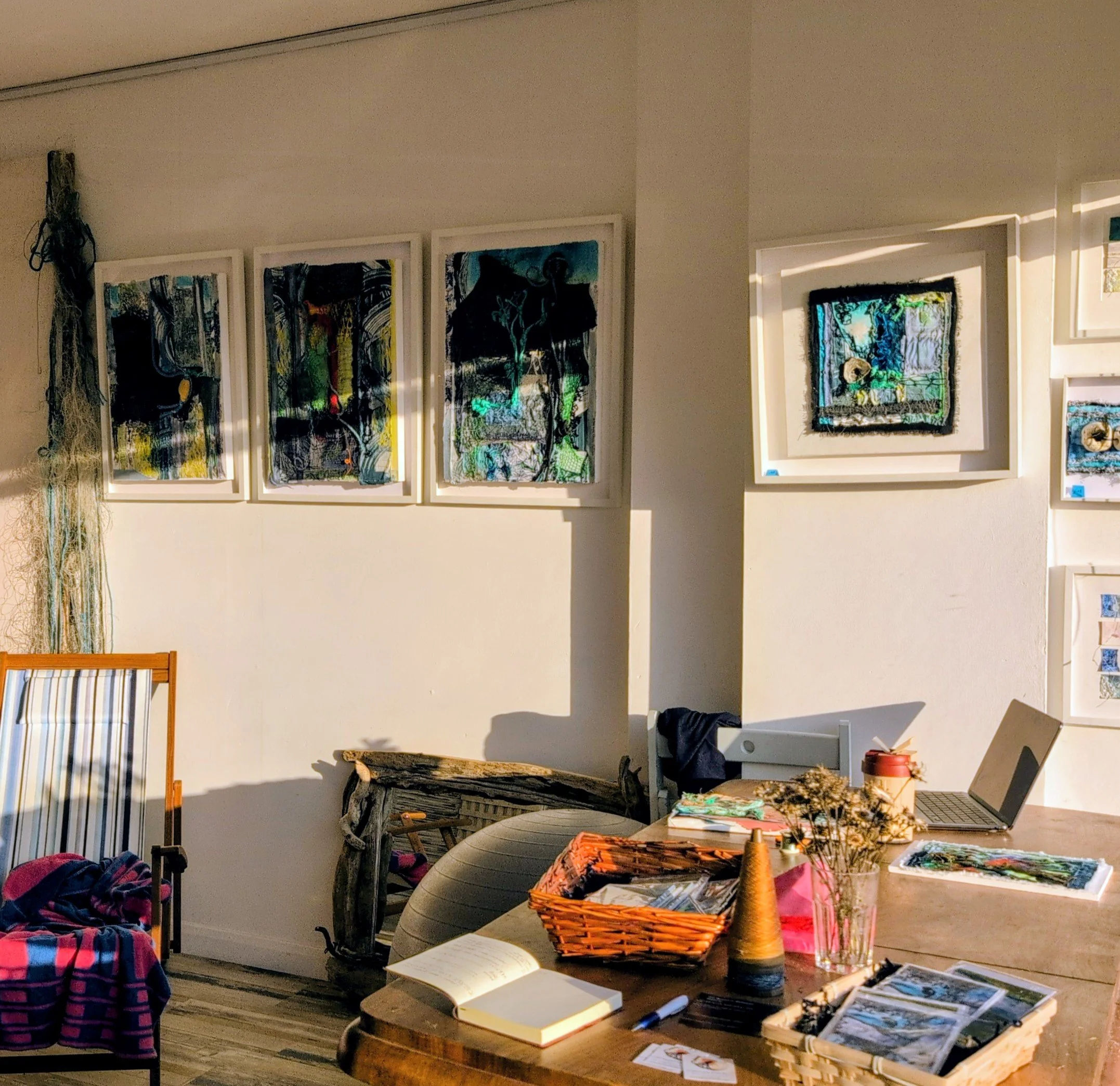
The Space in-Between.. Popup gallery for 4 months in 2025
The Practical Backbone
Then there's the practical backbone: hanging, transport, insurance. Works need to be safely packaged, moved without damage, and covered for the unexpected. Hanging days are a mix of physical labour and micro-decision-making: measuring, re-measuring, stepping back, adjusting by a centimetre, and suddenly feeling the whole wall settle into balance. Insurance and paperwork might be the driest part, but they're what allows risks to be taken with a little more confidence.
Writing About the Work
Writing artist statements and exhibition texts is another crucial piece. It's about offering enough context that people can enter the work, without over-explaining or closing down interpretation. You're trying to find language that feels true to the pieces: clear but not reductive, honest but not defensive. Sometimes this comes easily; sometimes it feels like wrestling with fog.
The Night Before
The day before opening is always a strange mix of emotions. Putting on your own exhibition can feel a bit like standing in a room and shouting, "Come and look at me!" while simultaneously feeling naked and exposed, with all your labours of love on display for judgement. If you thought too much about that, I'm not sure you'd ever do it. I'm lucky to have reached an age where other people's opinions feel less paralysing than they once did. I know I'm making interesting work of good quality; whether the right audience sees it, appreciates it, and possibly buys it is a different game.
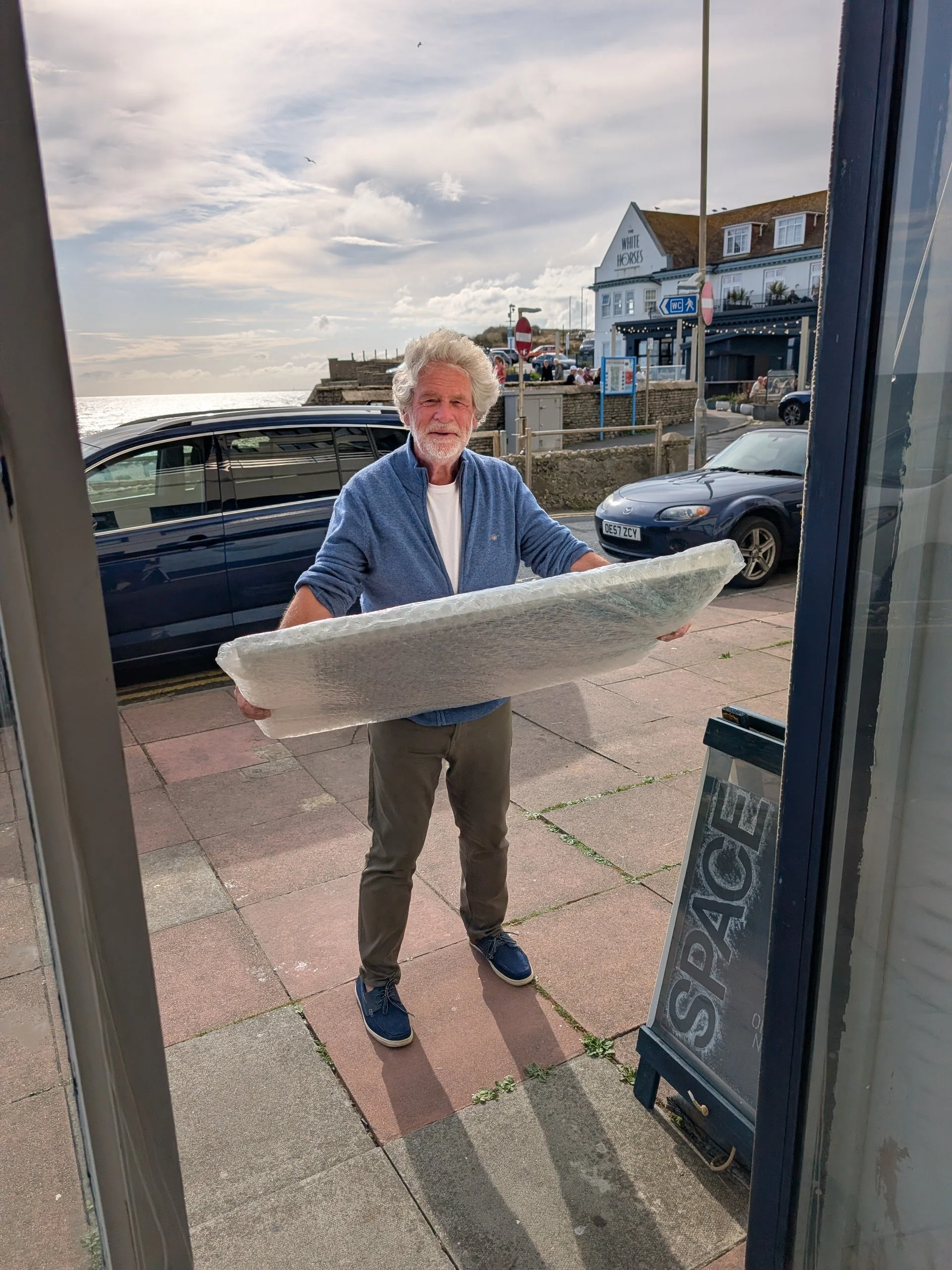
Buyers or collectors certainly make all the hard work feel worth while.
What It's All For
Upcoming shows sit at the end of this process but also at the beginning of the next: each commitment triggers another round of Artmin, another set of decisions and logistics. Underneath it all, though, is something simple: the desire to share the work. For all the spreadsheets, frames, and insurance forms, that's still the point – to let the pieces leave the studio, have a life in the world, and maybe connect with someone who didn't expect to be moved that day.
Currently showing: work is on display at MOTE (Museum of the Environment), WRAP_Space, and The Soap Factory.
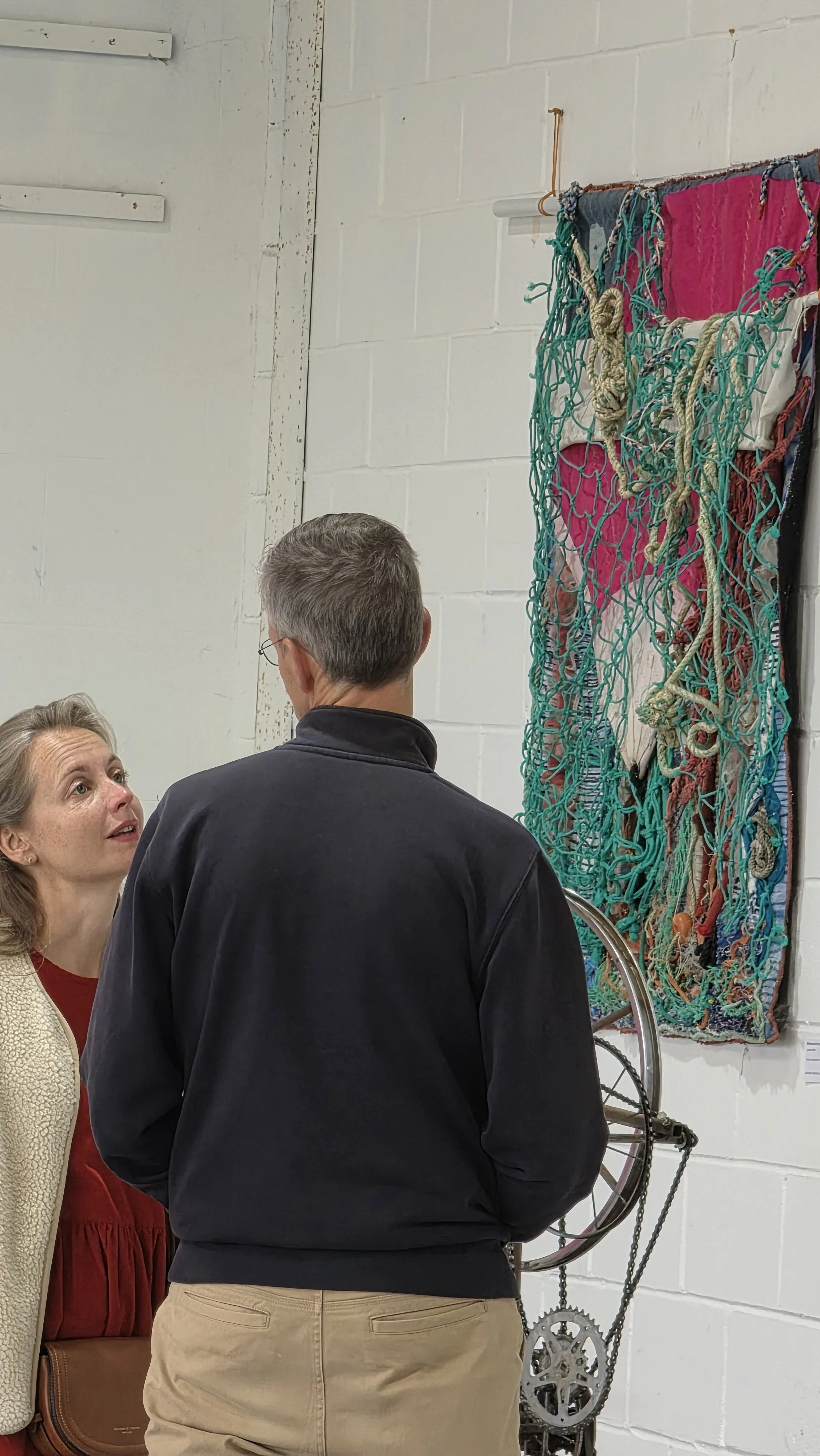
The Soap Factory. Lewes.